Gameplay Design
Gameplay Design
Gameplay design within games can consist of challenges, mechanics, progression, goals, rewards, secrets and Easter eggs within levels, emergent gameplay, sandbox, unforeseen gameplay, replay values, balance and flow, and fair and unfair player punishment. Gameplay design is the central part of the games experience, how people play the game.
Emergent Gameplay
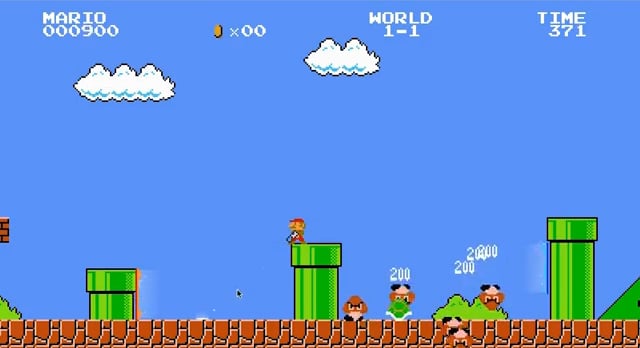
Emergent gameplay refers to situations in games that unexpectedly emerge from the interaction of relatively simple game mechanics designed by a game’s creators. These situations can be intentionally found by the players or simply created from natural play. Game designers create general rules which encourage players to experiment when determining solutions. This allows for players to have greater freedom and flexibility to enjoy the title and have a feeling of ownership over their interactions.
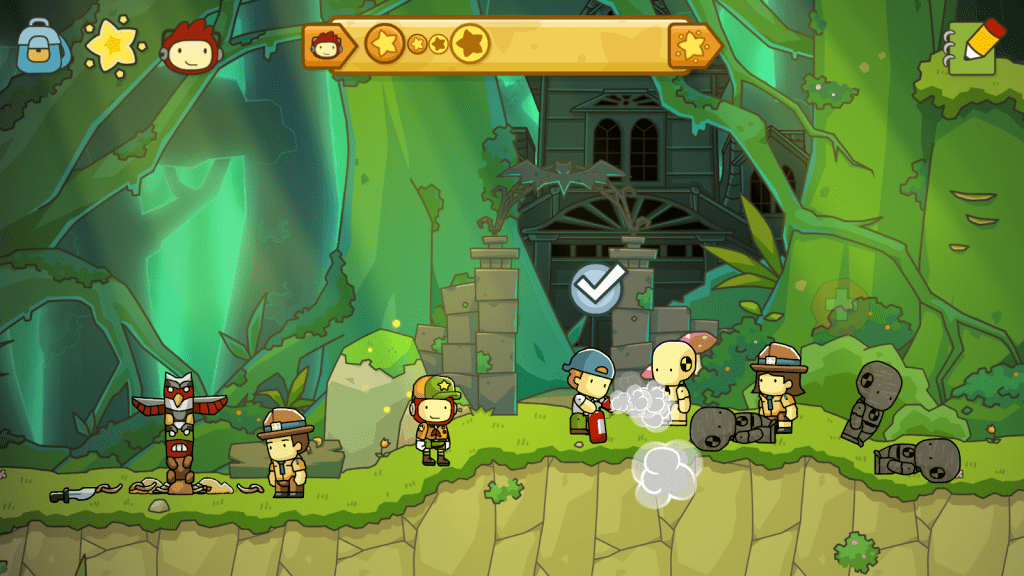
An example of this is in the game Scribblenauts, where it allows you to type in your custom solutions to puzzles such as getting to a high ledge by the player summoning a ‘jetpack’, ‘rocket’, or ‘ladder’, or even crafting a ‘T-Rex’ and running up its back. In this game, the developers designed a mechanic for the players to create their own solutions for puzzles but did not factor in all possible outcomes as it could possibly be endless and encourage players to create something new that they can have ownership over.
Unforeseen Gameplay
Some examples of unforeseen gameplay include speedrunning, rocket jumping, strafing, wall jumping, bomb jumps, level skipping, combos, etc. These are all mostly found and created by players so they can have more fun throughout games and most of the time not intentionally created by designers however can still be possible, making the game feel more enjoyable.

Non-Linear Gameplay
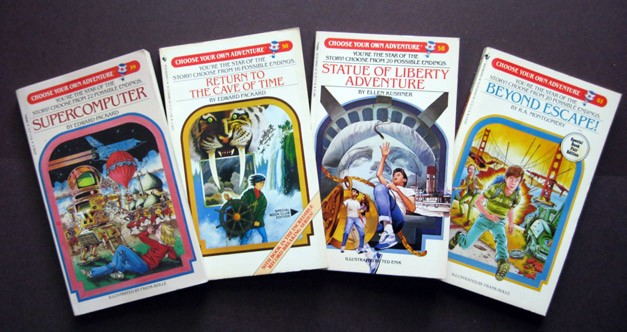
Non-linear gameplay introduces gamers with a selection of options as to how they can pursue goals available to them, which gives the player a lot more freedom. This can be done through world maps, level selects, or world maps. It presents the player with a larger range of play styles, where they can further choose their experience to their preferred mode of gaming. For example, the player might enjoy easy missions over harder ones, quicker objectives over slower ones, car-based racers over cycling, etc.
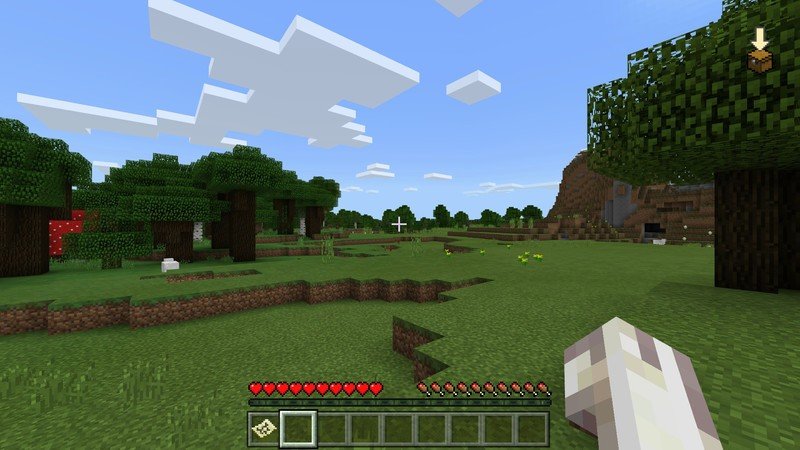
Sandbox
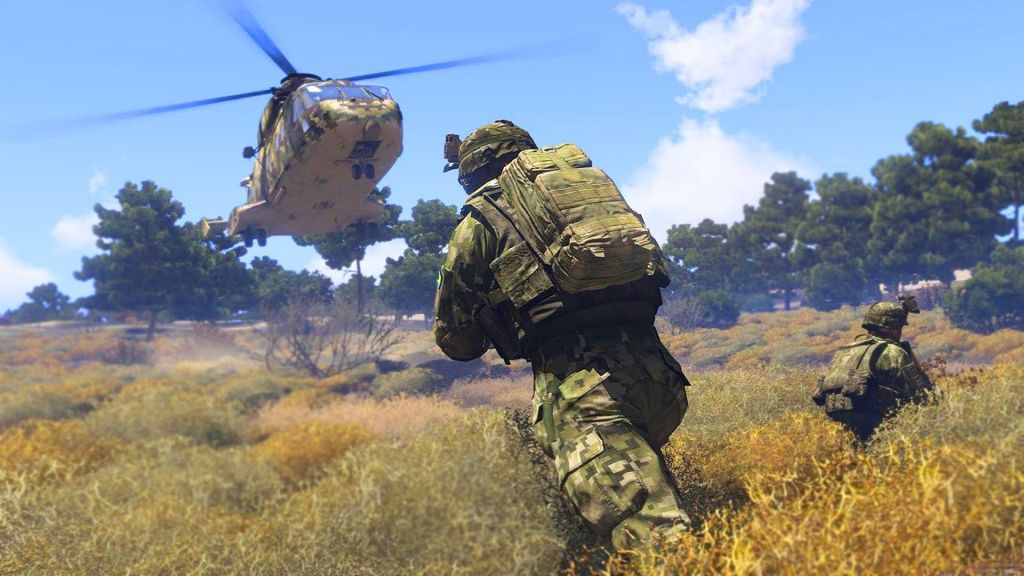
Sandbox titles allow the player to explore the world of the game, limited only by the edge of the map. E.g. Minecraft, GTA V, and Arma 3. Free-flow gameplay lets the player choose when and where they will explore, and sandbox titles allow for a greater emergent experience due to their open-ended structure.
Challenges
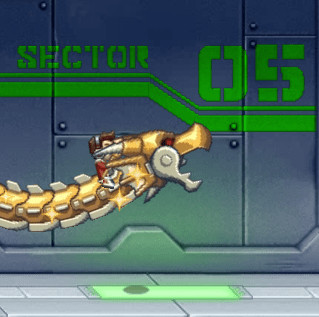
Challenges can include obstacles that players need to get past, by defying their abilities throughout the game and trying to stop them from reaching the end of the level.
The point of adding challenges is to keep the player distracted from getting bored playing the game, however it is important to make sure the challenges are not too hard for the player as they might get frustrated and give up, but also not to make it too easy.
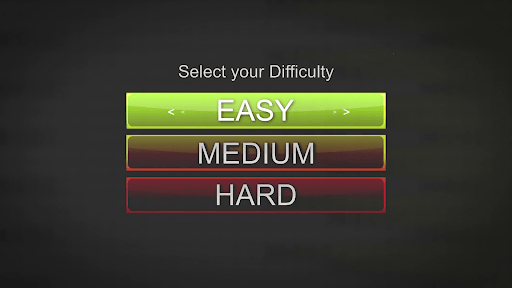
Some challenges in games can include mini-missions, different difficulties, and mini-bosses within levels.
Having different difficulties in a game where the player can choose can help increase player engagement as they have more options of gameplay to choose from.
Mechanics
Some games can include core gameplay mechanics to make their games unique and fun to play.
Some of these mechanics can include double jump, rocket boosts, speed boost.
Progression
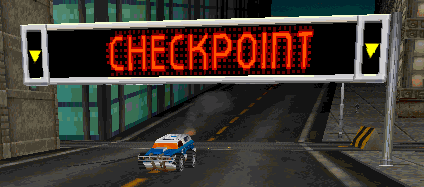
One key factor of great game design is progression. This can include special/rare weapons, checkpoints, better character stats. Adding progression to the game is a key factor as it can help the player feel like they are getting somewhere by playing a game and making progress or else they will feel like they are playing the game for nothing, get bored and stop playing.
Goals
Goals are the core targets within a game that the player strives to achieve. Player usually must complete these goals to complete the game.
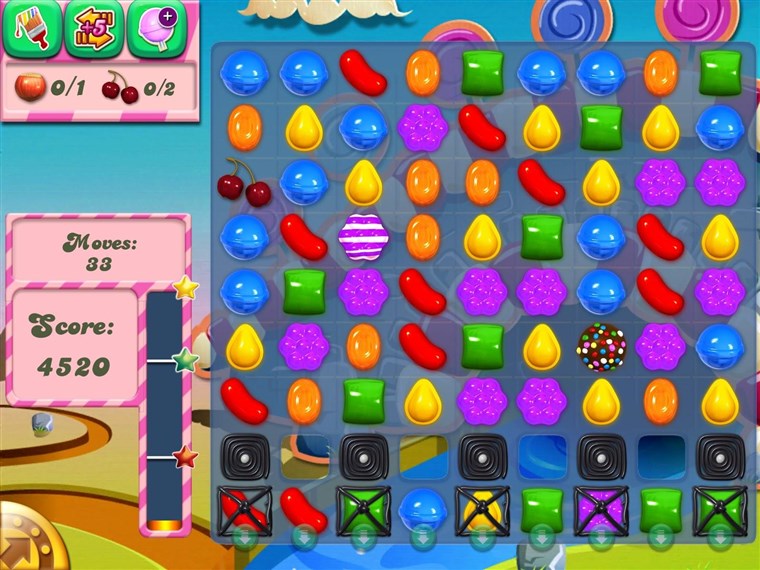
A game can have big goals, such as defeating a hard boss, or reaching a certain level, or getting the best items in the game, or it could have a smaller goal such as reaching the next stage or killing a few enemies. However, most games have both big and small goals within their game to keep the player interested and playing more.
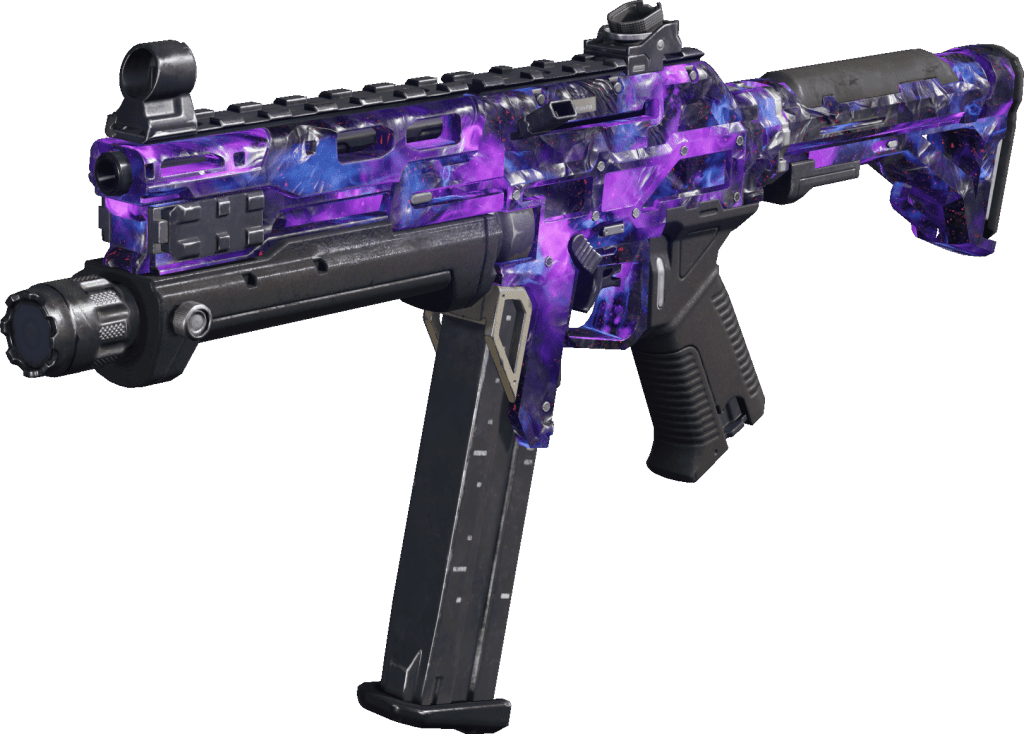
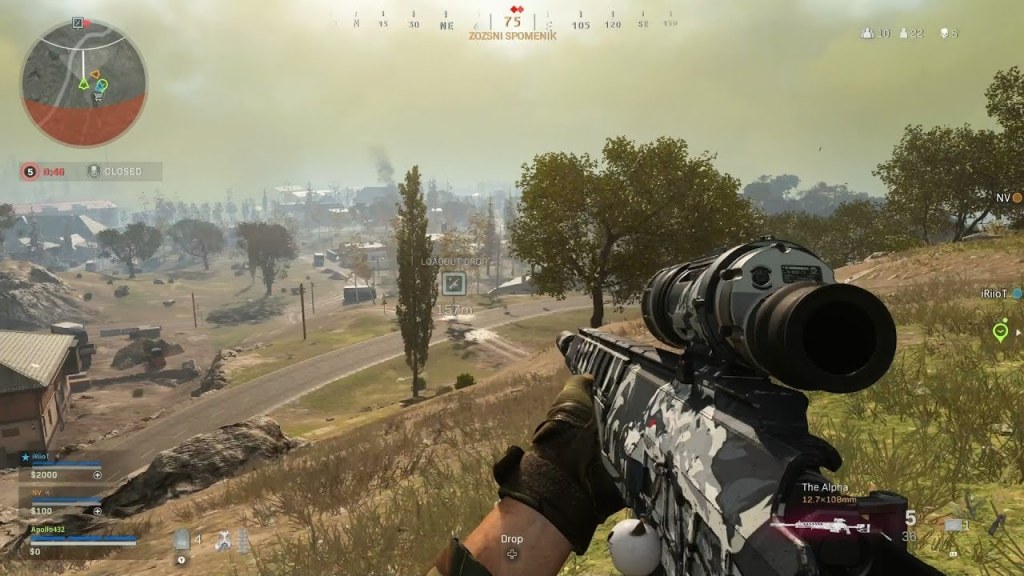
An example of goals in a video game could be in most Call of Duty games.
A small goal in this game could be winning a game or levelling up.
Whereas a big/long term goal could be reaching the maximum level, getting the dark matter camo on your guns, getting the best stats you can.
Rewards
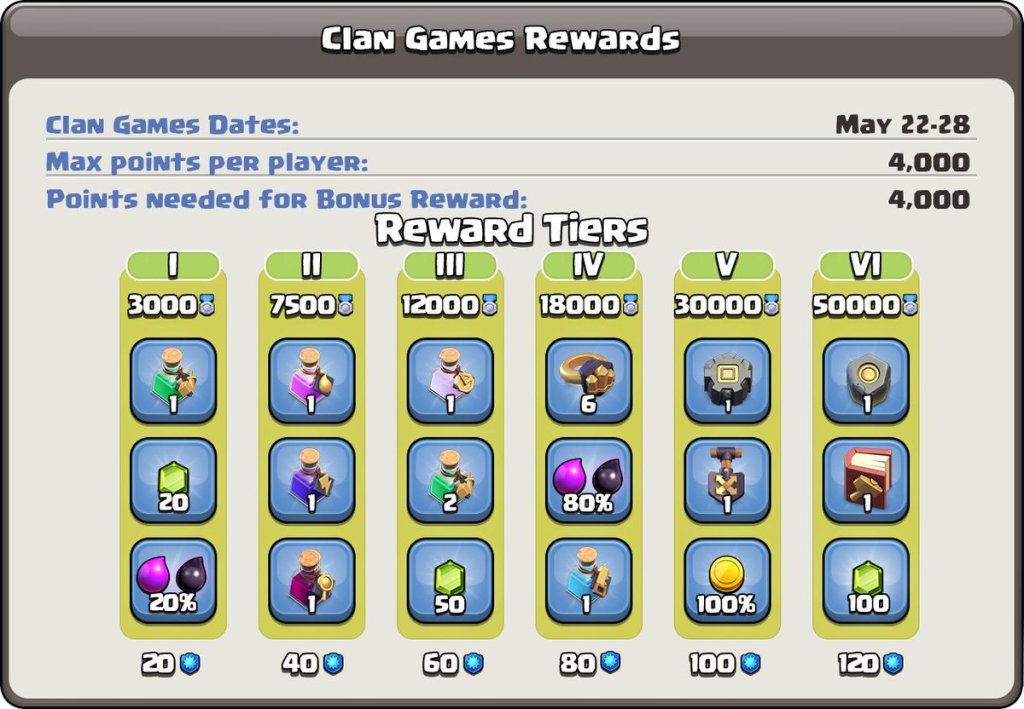
Rewards are a key part in making players engaged and motivated to play the game. In most games players are encouraged to complete challenges and goals, and in return gain some sort of reward.
These rewards can range from in-game currencies, in-game cosmetics or abilities that are gifted to the player.
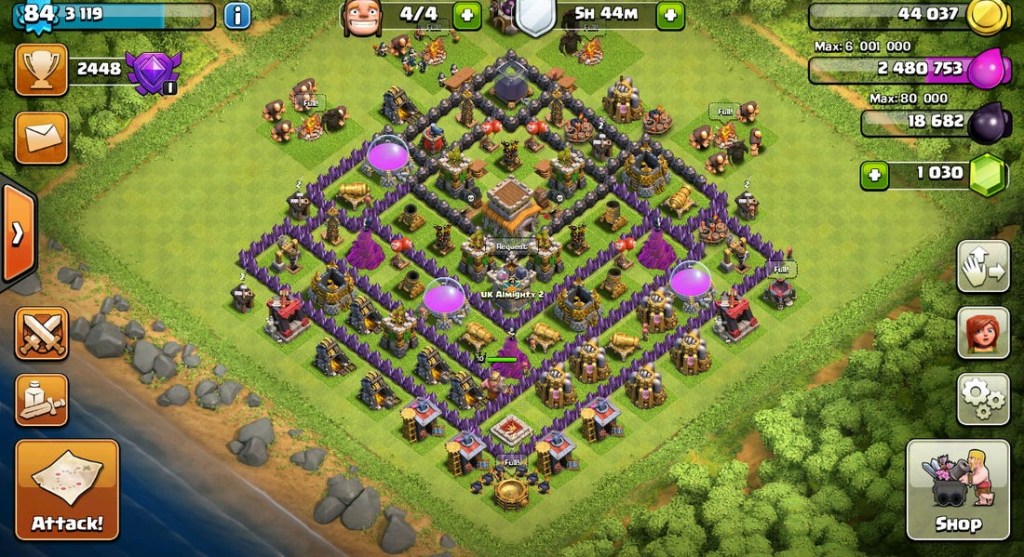
An example of this could be in Clash of Clans, where if you win a battle, you gill gain a certain amount of gold, elixir and dark elixir, or Clan Games Rewards.
Easter Eggs and Secrets
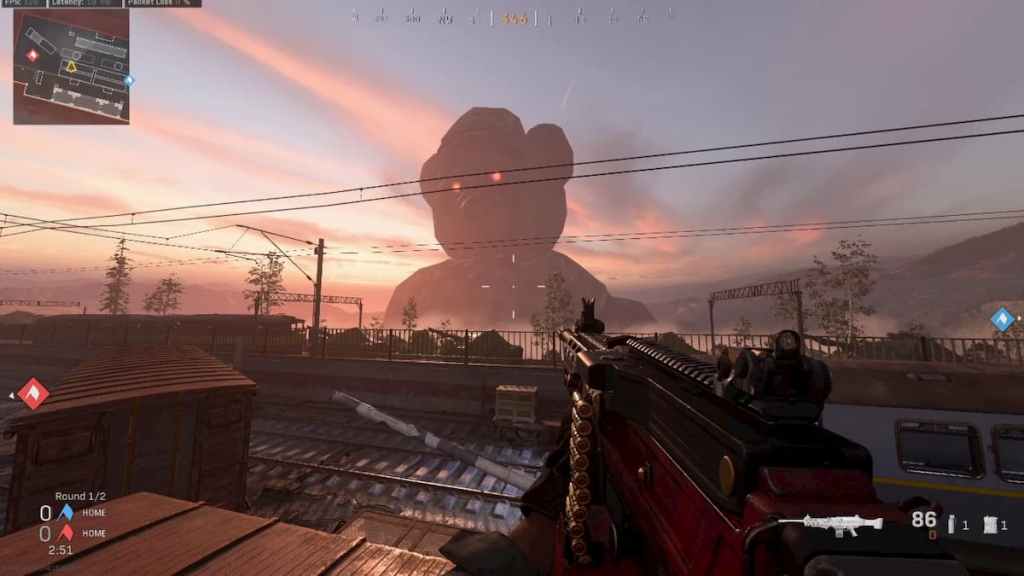
Secrets and Easter eggs in games are normally hidden objects, messages, references, jokes, or features that game developers secretly add to their game which do not add to the gameplay. These are not typically known to the public and are only meant to be seen by a handful of people for either hard work done to find these secrets, or hidden messages only people close to the developers can see.
An example of this can be seen in Call of Duty: Modern Warfare where you can summon a ‘Godzilla Teddy Bear’ in game.
Replay Value
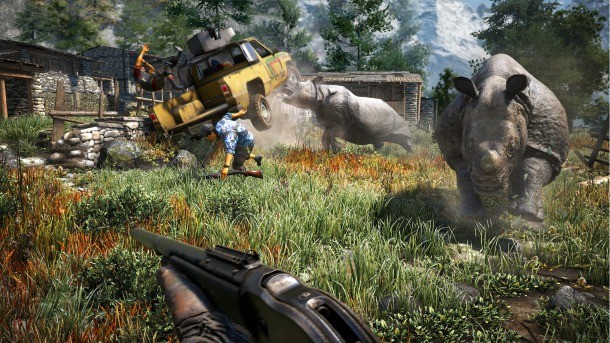
A replay value for a game means that once a player completes the game, they will be able to replay it without getting bored. This is seen in many popular games such as Far Cry and Call of Duty where players can play it repeatedly without feeling the sense of repetition.
Replay values in games could also lead to alternate endings within games and secrets or Easter eggs.
Balance and Flow
Games need balance and flow to become playable by the player. This means that a game cannot be too easy or too hard for the player or else they will not want to play it anymore.
Fair and Unfair Player Punishment
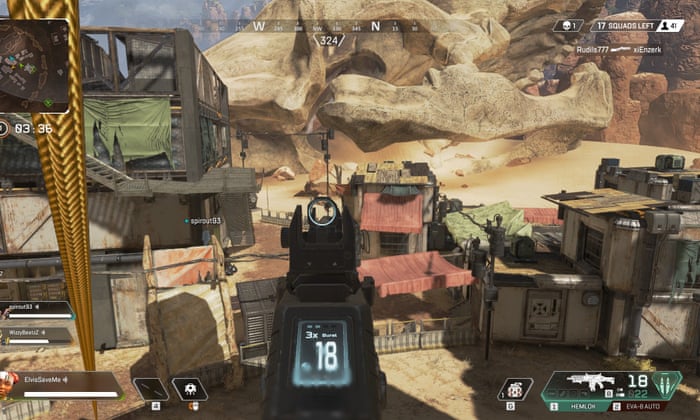
On the other hand of player rewards, the player should also be punished for actions in games. This can include losing a life and score reduction.

RPG (Role-Playing Game)
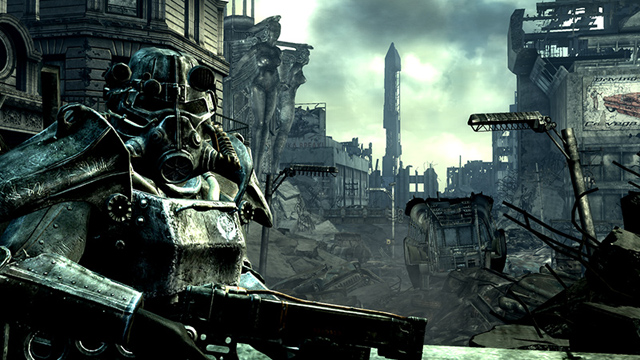
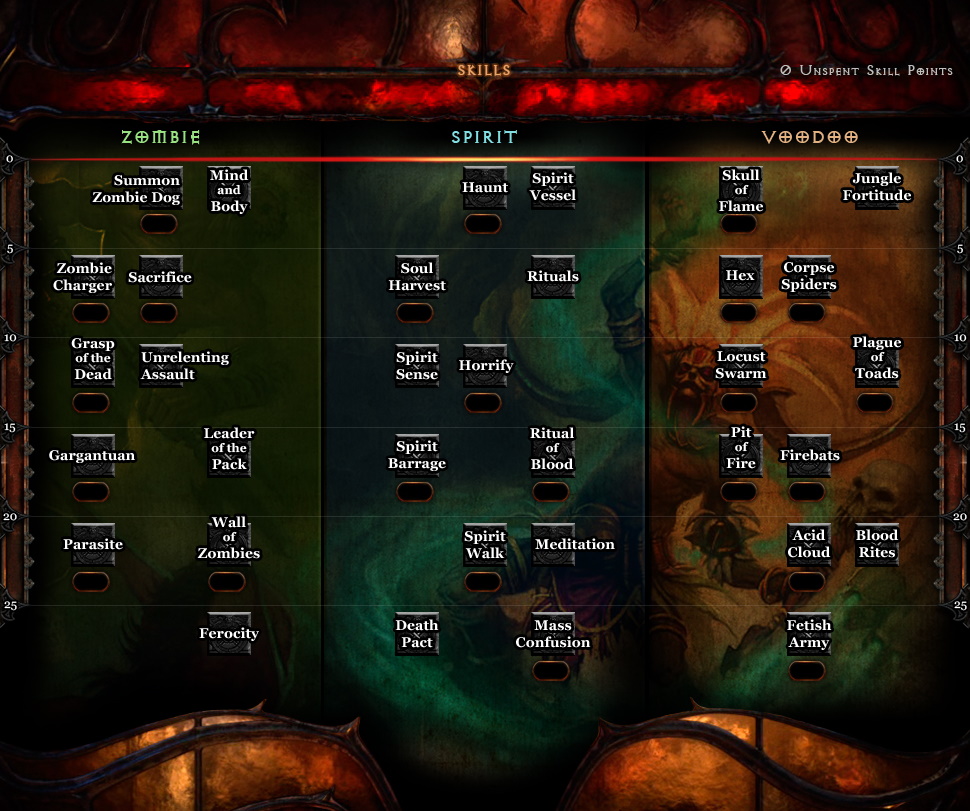
Role Playing Games (RPGs) are all heavily based on creating a character to go fight and battle enemies whilst you are exploring the sandbox game world and progressing through missions throughout the game. On completing these missions, you level up and unlock a variety of new and unique items, such as weapons and armour, and…
Simulation Games
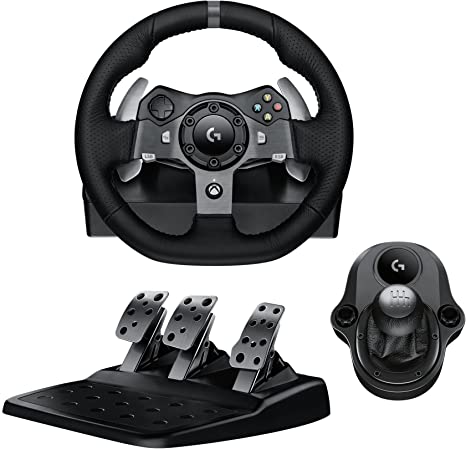
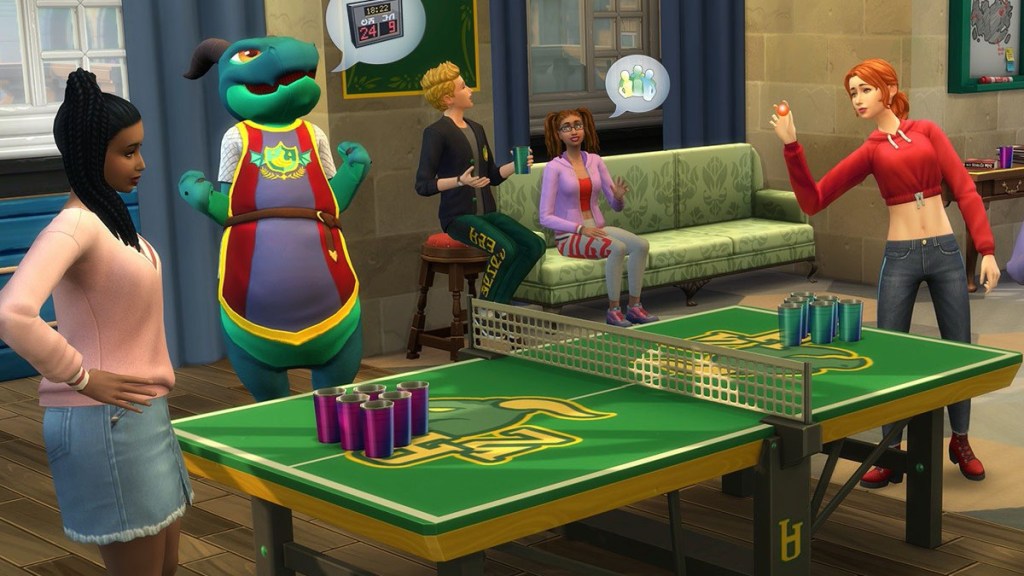
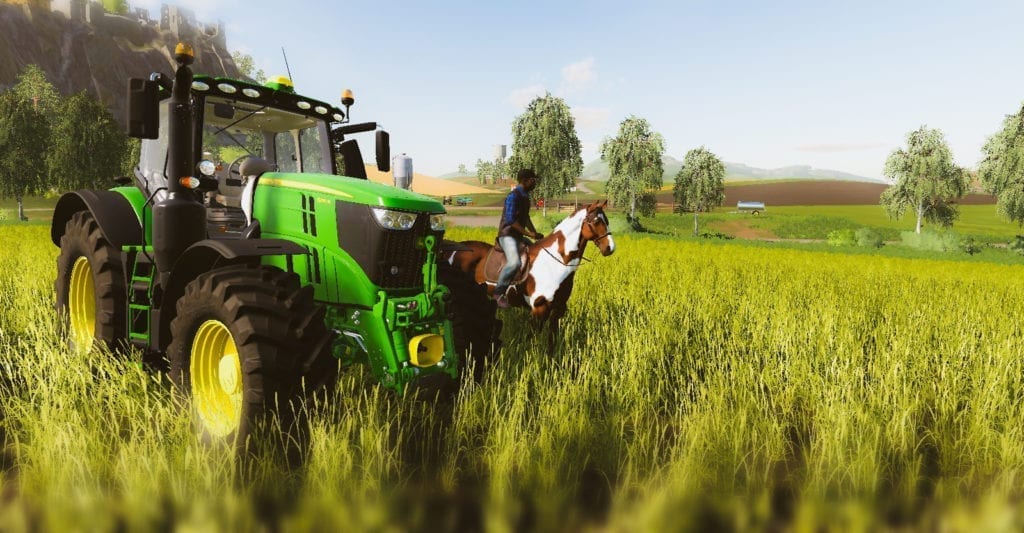
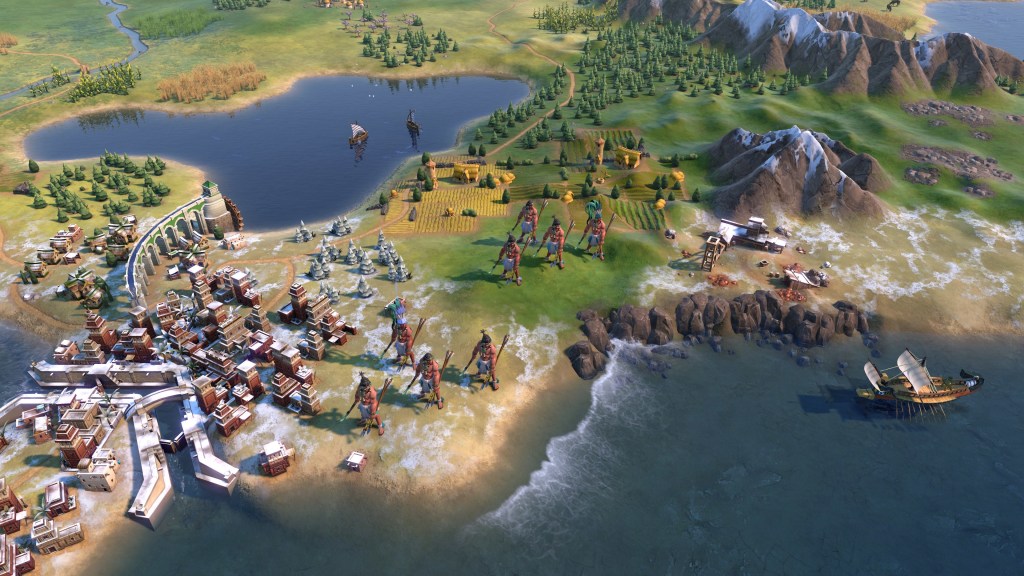
Simulation games focus heavily on the development and management of entities. These games mostly involve the simulation of specific real activity, such as flying planes or driving cars around a map. These can range from attempted realistic games including walking around as animals and farming to simple entertainment such as building cities and creating games.…
Adventure Games
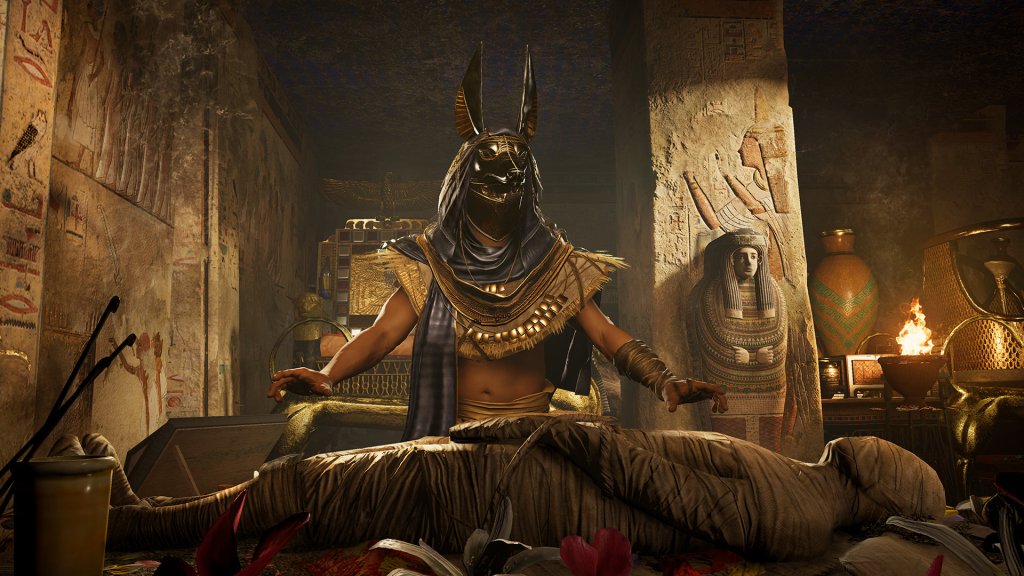
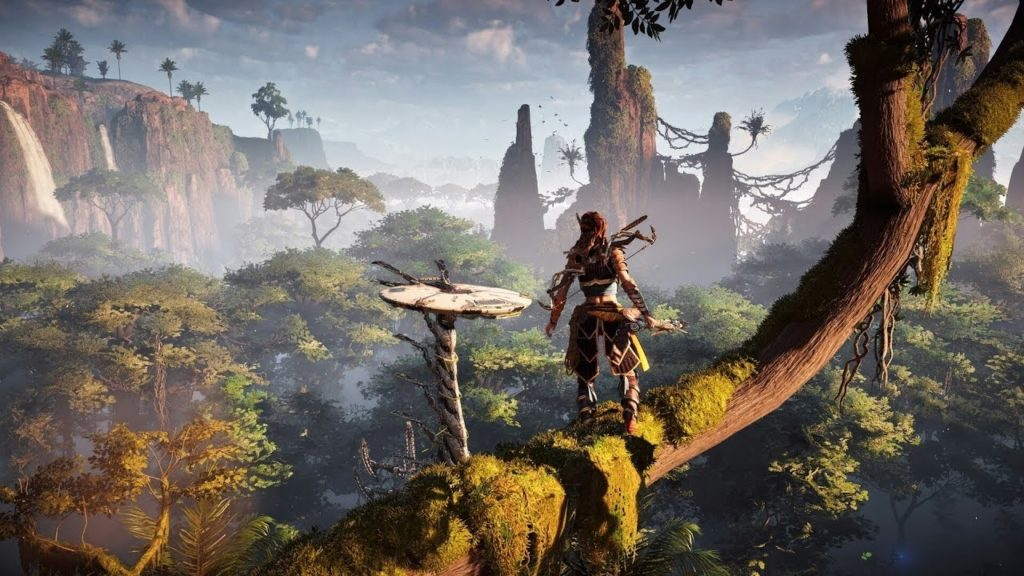
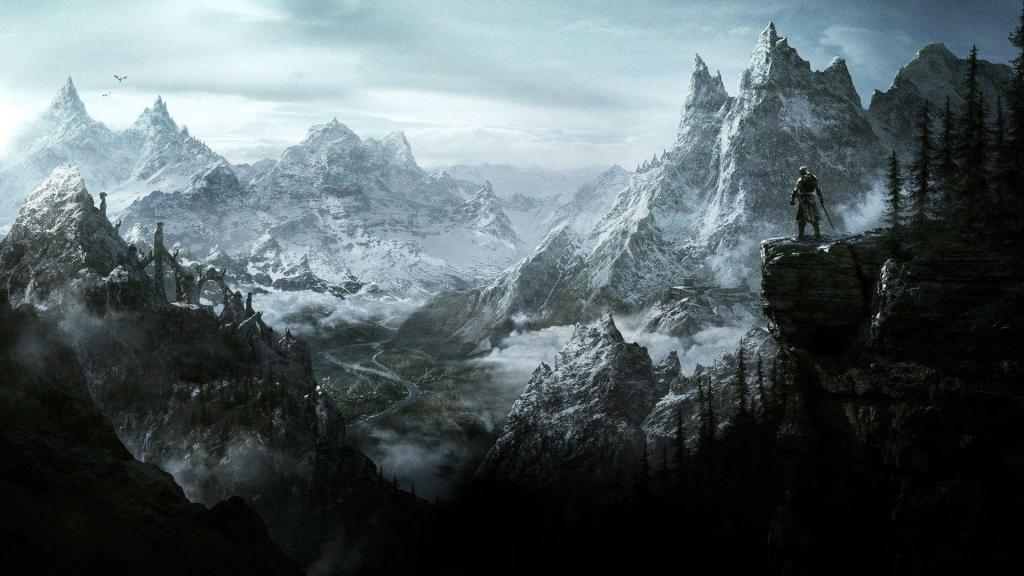
Adventure games are mostly focused on exploring the game world. This is normally a large map which the player can explore at their own will. However, these games may include mechanisms which limit the players access to different areas. The player must find and obtain certain equipment and items to unlock the next areas. Unlocking…




 Unit 13 Guide to Genres and Gameplay