Action Games
Action games are some of the most popular genres of games. They challenge the player by requiring accurate hand-eye coordination, good timing, and quick reflexes, which can also be referred to as twitch gaming (not to be confused by the platform ‘Twitch’). Players that are committed to these games often have a higher chance of winning as they are constantly improving all these requirements. However, not all players must be dedicated to playing as action games are typically easy to pick up and start playing whenever. Examples of this would be Call of Duty and Overwatch, as they do not require the best timing and reflexes but having it would increase the chances of you winning.
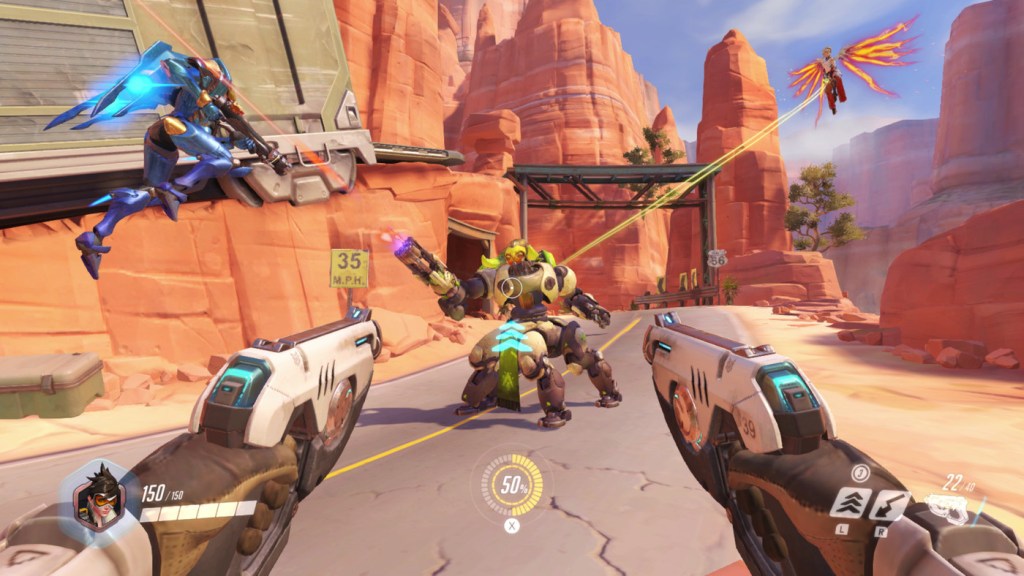
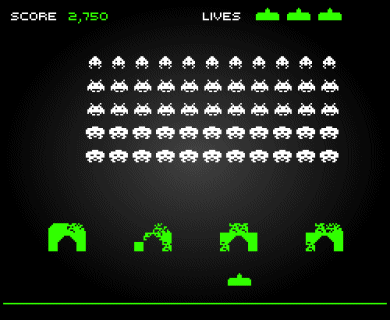
At the start of the games industry, a lot of games were released in arcades before being released on home systems as they were more popular. The arcade business model was suited to shorter games with punishing gameplay making it more likely for the player to die and lose the game, which resulted in you having to pay more money to play again or get extra lives. An example of this is Space Invaders, as it is a quick game designed for the player to lose the game as soon as possible, without making it obvious.
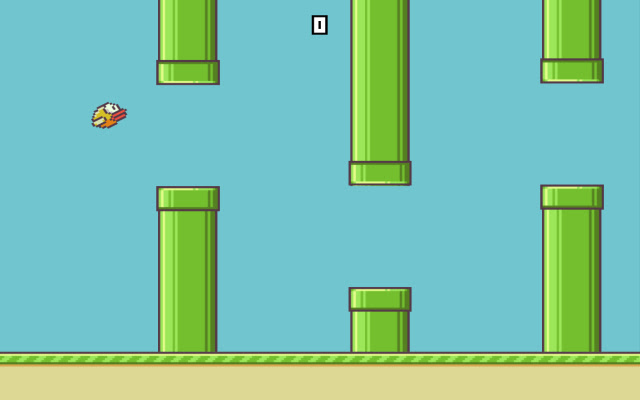
However, in the 1990s, home consoles overtook arcades as the main gaming platform. As this happened, gamers wanted longer experiences as they could play at home, which resulted in developers adding features such as regenerating health to avoid the “Game Over” screen so the consumers can play for a longer amount of time. Over recent years, action games have seen a revival due to mobile phones and competitive multiplayer which are both suited to shorter, and more intense games such as Flappy Bird and Fortnite.
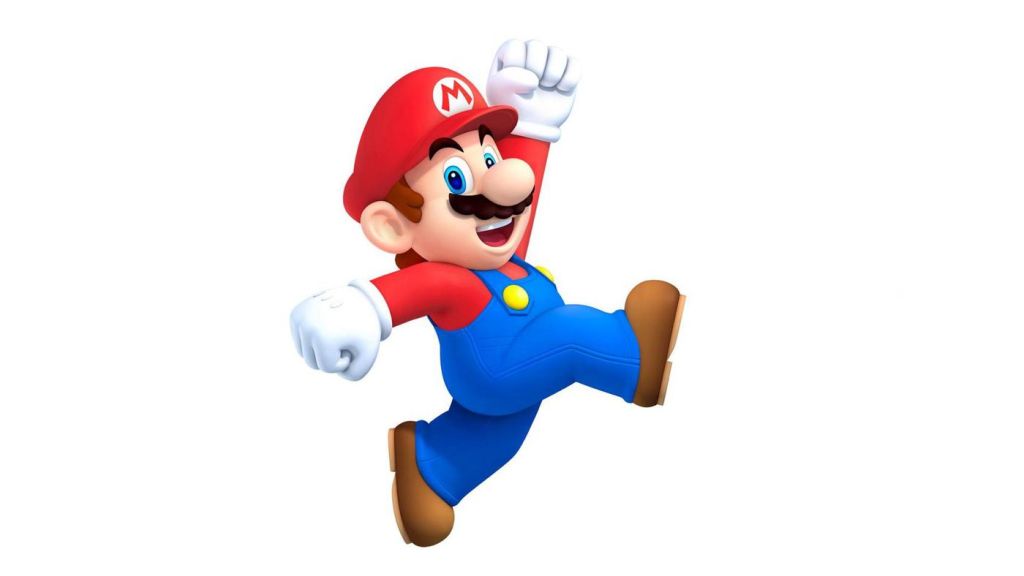
Platform games usually involve avoiding obstacles to get to the end of the level by running, jumping, or falling. They get their name from the fact that the player normally interacts with platforms in these levels. Most platformers also include power-ups that grant the character special abilities such as the Mega Mushroom in Mario which makes the player increase in size and can crush any opponent. Developers tried to differentiate their games by making memorable characters or adding special abilities. For example, Super Mario, Sonic the Hedgehog, Mega Man and Donkey Kong are some of the most popular and recognizable game’s characters in the genre.
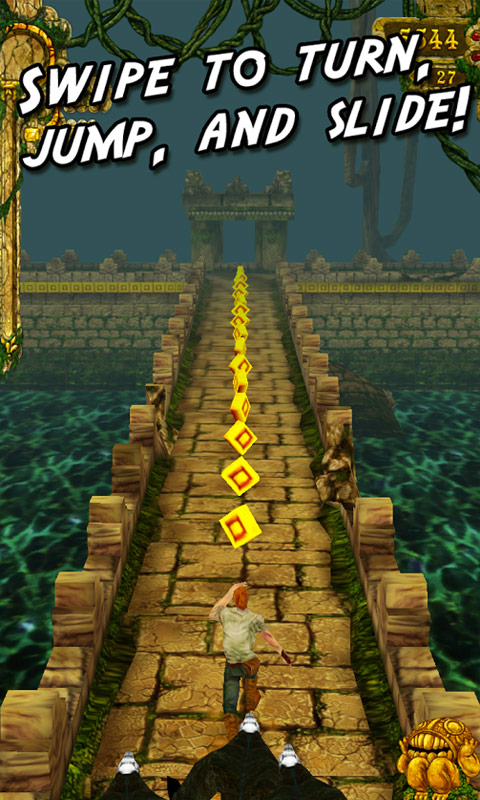
When games made the transition to 3D, most platformers struggled to translate the same pace in a 3D environment. Platform games have seen a revival in the form of endless runner games. e.g. Temple Run 2.
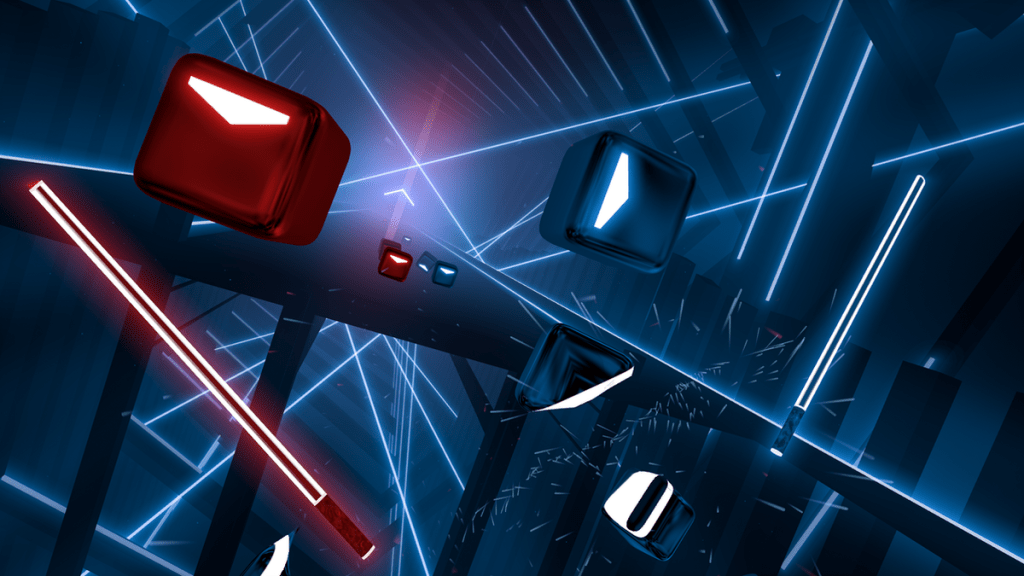
In the late ’90s, rhythm-action games were created, which are based on music. The arcade version of rhythm-action games included custom hardware which was mostly big dance floors. An example of this is ‘Dance Dance Revolution’ which required a big machine which you can see in bowling alleys and arcades. This custom hardware was vastly different from traditional game controllers, so home console versions required special controllers to play. These home versions include a guitar and drum set for ‘Band Hero; and a DJ station for ‘DJ Hero’ which are a lot smaller and cheaper than the ones you see in arcades. Many popular rhythm games included licensed tracks from established artists which can make the game better and can also help those artists careers. Some of the top rhythm game names include Beat Saber and Piano Tiles which have seen a minor revival on smartphones and in VR in recent years.
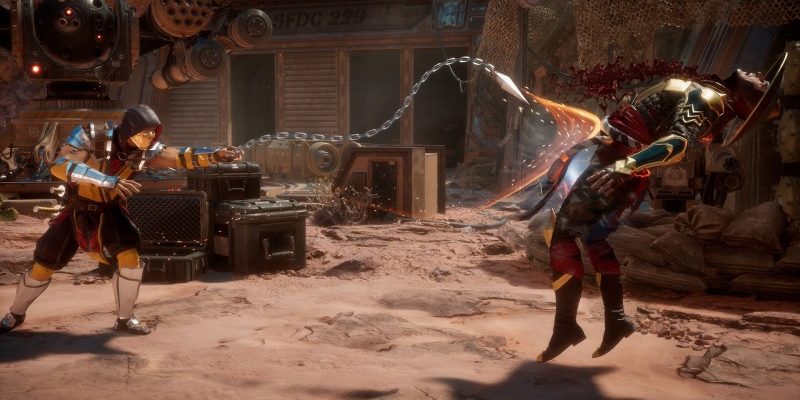
The fighting games subgenre refers to games that focus the action on hand-to-hand or melee combat. Scrolling “beat ‘em ups” involve reaching the end of a level by fighting lots of enemies, such as the game Double Dragon. Most beat ‘em ups would include temporary weapons and boss battles to add variety to the game. Whereas tournament fighting games are usually one-on-one matches which you can use special moves and combos to win. An example of this is Street Fighter 2. Both games mostly include the feature to swap and choose playable and unlockable characters. Beat ‘em ups have largely disappeared, or have been subsumed into other genres, but tournament fighters still have loyal fan-bases such as Mortal Kombat 11 and Super Smash Bros.
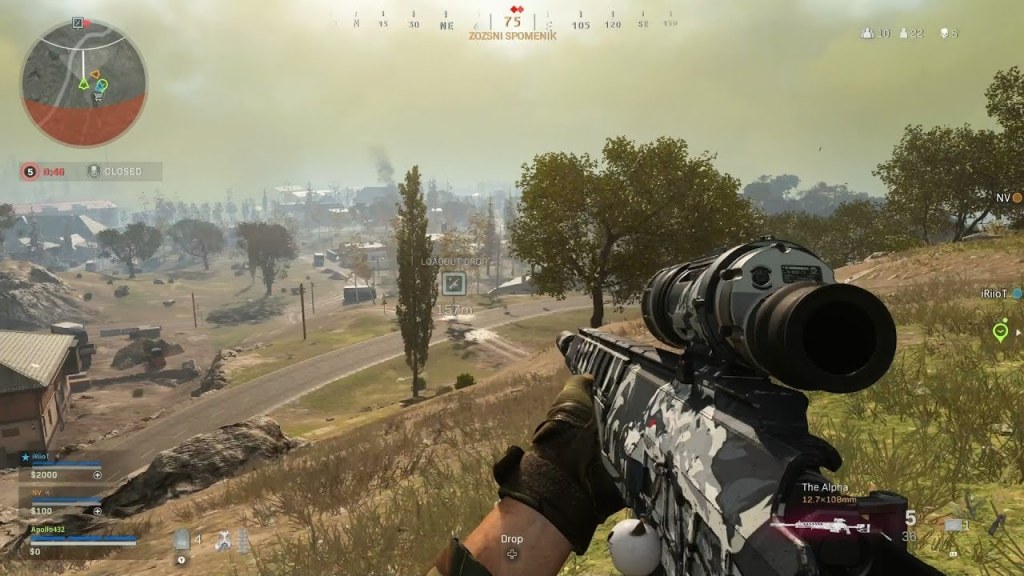
Shooter games are the more popular types of games and they include the use of ranged weapons such as guns and lasers to engage in action. The objective of these games is usually to kill or take out the opponents/enemies. The first shooters were single-screen levels with waves of enemies. E.g. the game Space Invaders, where you shoot aliens coming down the screen. Later games had scrolling levels with a variety of enemies and environments and evolved from there. 3D shooters started as single-player games with limited multiplayer. However, the multiplayer side of FPSs (first-person shooters) became more popular than single-player campaigns. FPS games with battle royal modes have recently become extremely popular such as Player Unknown’s Battlegrounds, Fortnite, and Warzone.
Adventure Games
Adventure games are mostly focused on exploring the game world. This is normally a large map which the player can explore at their own will. However, these games may include mechanisms which limit the players access to different areas. The player must find and obtain certain equipment and items to unlock the next areas. Unlocking…
Strategy Games
The strategy game genre requires the player to use a strategic mind set and the ability to think ahead, whether that be to outsmart an enemy or to upgrade a unit you think you might need next. These games often require you to harvest resources such as food, gold, or fuel. These resources are then…
RPG (Role-Playing Game)
Role Playing Games (RPGs) are all heavily based on creating a character to go fight and battle enemies whilst you are exploring the sandbox game world and progressing through missions throughout the game. On completing these missions, you level up and unlock a variety of new and unique items, such as weapons and armour, and…

 Unit 13 Guide to Genres and Gameplay