Simulation Games
Simulation games focus heavily on the development and management of entities. These games mostly involve the simulation of specific real activity, such as flying planes or driving cars around a map. These can range from attempted realistic games including walking around as animals and farming to simple entertainment such as building cities and creating games.
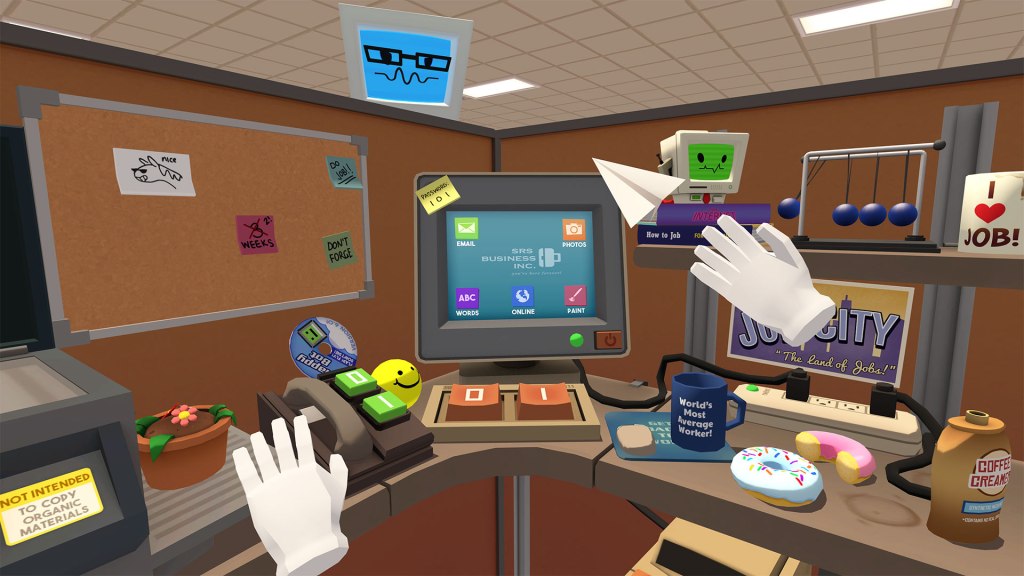
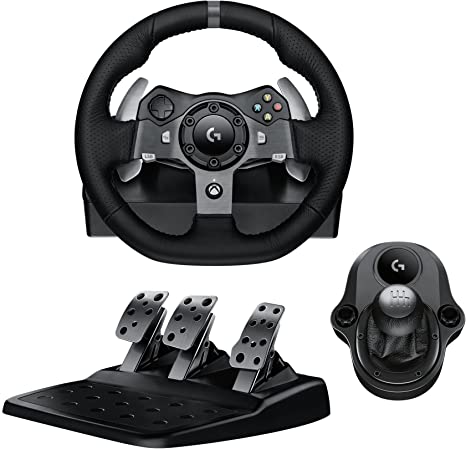
Many simulation games try to accurately recreate controlling special vehicles such as aeroplanes, tractors, and buses. Some of these games require special controllers to get the best experience. This is by making it more realistic. An example of this is for driving/racing games where you can buy steeling wheels, gears, and pedals to make you feel like you are driving a car. This can also improve how well you do in these games.
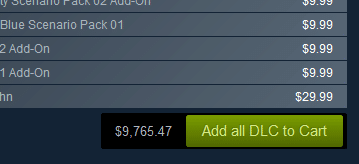
Many vehicle simulators come with a few basic vehicles, but additional vehicles and environments can be purchased as DLC packs. For example, Train Simulator 2019 has over 600 DLC items on Steam totaling nearly £10,000. This is an extreme amount of money to spend on a game however some people are willing to spend it. Vehicle simulations are usually complicated and are often viewed as niche products, so they don’t have a massive userbase where lots of people play them, but players that do play them are very dedicated, which is why they can have so many DLCs because those players will want to buy them.
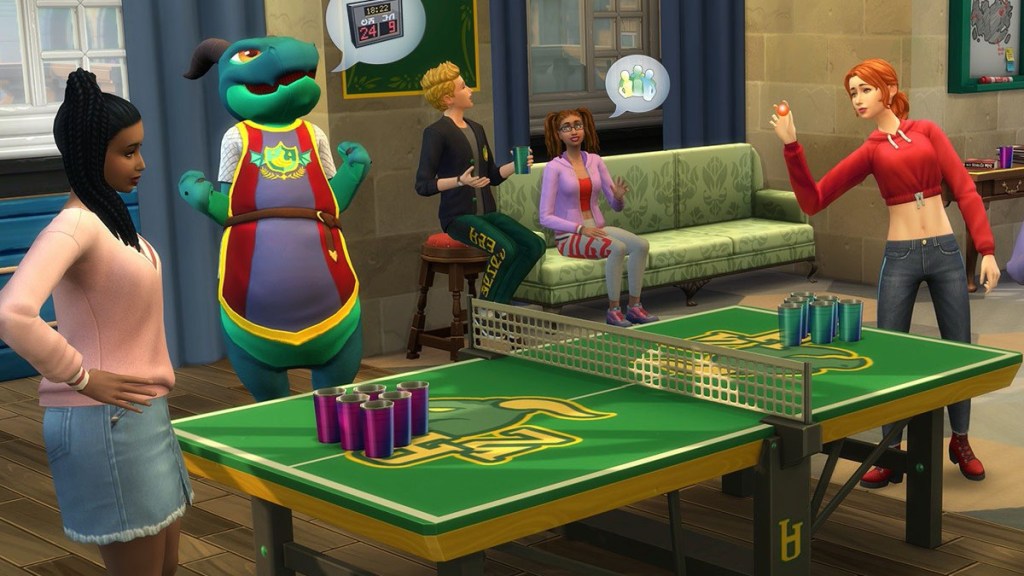
Life simulators focus on controlling aspects of an individual character. These simulator games have a wide appeal outside of the typical “core-gamer” audience which proved to be very profitable. So, people who tended to play life simulators such as The Sims, would not call themselves gamers. The Sims allowed the player to control things like when the character eats, drinks, and goes to the toilet. If you did not look after the sims, it could die. The various expansion packs were often in the PC top-ten charts for many months after release.
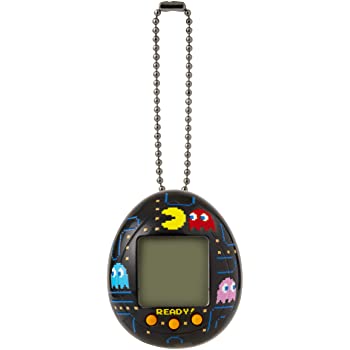
The life simulator genre built on “virtual pet” toys that required the owner to keep it alive by feeding, cleaning, and playing with it, but added RPG mechanics such as stats and levelling up. The companies creating these games could also create real-life products to co-exist with the online game so they could make more money. Tamagotchi and other related products around that time were some of the first life simulators which The Sims and other games build upon the idea of. Nintendogs returned to the idea of caring for a pet and went on to be one of the most successful series of its generation.
Some games allow you to control and manage features of a business or city making it feel like your own personal place. Some simulators allow incredibly detailed control such as in Theme Park, players are able to change the amount of salt in the food to increase sales. Some sims are limited to screens of statistics and are criticized as “glorified spreadsheets”, but others allow the player to enter the simulated environment; for instance, in Farming Simulator, players are allowed to drive the tractors around. Business/city sims introduce new features gradually to allow for progression such as unlocking new buildings in Sim City. Simulations will often include objectives to guide the player, for example, you need to make a certain amount of money or to serve a certain number of customers.

RPG (Role-Playing Game)
Role Playing Games (RPGs) are all heavily based on creating a character to go fight and battle enemies whilst you are exploring the sandbox game world and progressing through missions throughout the game. On completing these missions, you level up and unlock a variety of new and unique items, such as weapons and armour, and…
Adventure Games
Adventure games are mostly focused on exploring the game world. This is normally a large map which the player can explore at their own will. However, these games may include mechanisms which limit the players access to different areas. The player must find and obtain certain equipment and items to unlock the next areas. Unlocking…
Puzzle Games
There are many types of puzzles games, and most of them are about solving problems. The main types include physic, logic, matching, shape manipulation puzzles, and word puzzles. All of which are extremely popular on mobile devices and are popular to a wider audience than users who are traditional “core” gamers. Physics puzzle games depend…

 Unit 13 Guide to Genres and Gameplay